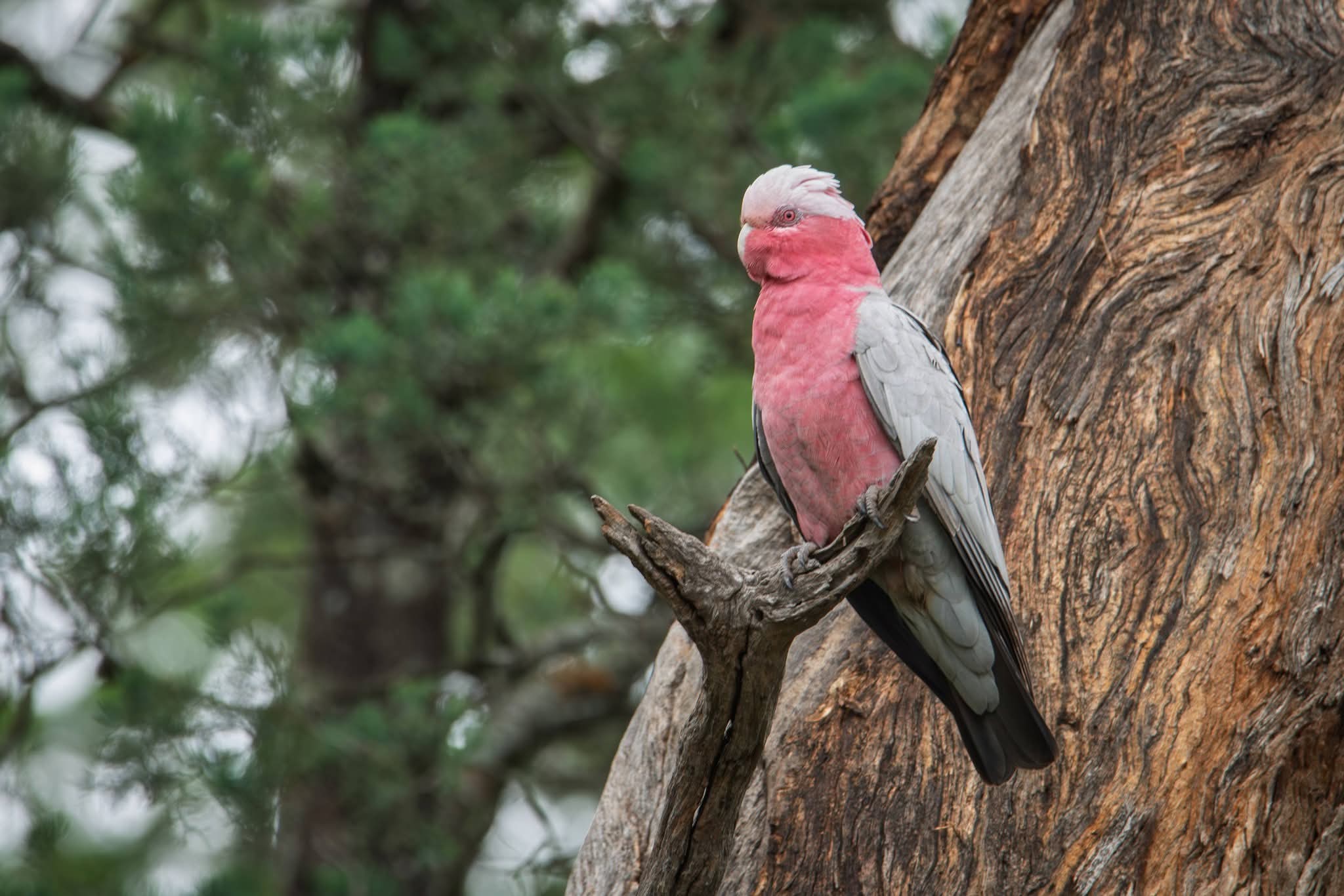
There is something magical about photographing birds. It isn’t simply about capturing a sharp image—it’s about preserving a fleeting moment in nature that may never happen again.
Every bird has a story. The way a Superb Fairywren flicks its tail through the undergrowth, a Laughing Kookaburra watching silently from a gum branch, or a White-faced Heron standing motionless at the edge of a drying creek. Bird photography allows us to freeze these moments and share them with others.
Learn the Bird Before You Photograph It
The best bird photographers spend as much time observing as they do taking photographs.
Watch how birds move, where they perch, and when they feed. Many species return to the same favourite branch or hunting perch, giving you the opportunity to prepare rather than chase them.
Patience is often your greatest piece of equipment.
Work With the Light
Early morning and late afternoon provide the most beautiful natural light. The warm tones of the golden hour add depth and softness to your images while avoiding the harsh shadows of midday.
Whenever possible, position yourself so the light falls gently onto the bird rather than directly behind it.
Respect Wildlife
Great bird photography never comes at the expense of the bird.
Avoid disturbing nesting birds, never flush birds simply to get them into flight, and keep a respectful distance. If a bird changes its behaviour because of your presence, you’re probably too close.
The welfare of wildlife should always come before the photograph.
Focus on the Eyes
The eyes are where viewers connect with the subject.
Even if the feathers are slightly soft, a sharp eye can make an image feel alive. Use continuous autofocus when photographing moving birds and be ready to capture unexpected moments.
Tell a Story
Not every photograph needs to fill the frame with feathers.
Sometimes the most memorable images show a bird as part of its environment—a lone kookaburra perched among towering gum trees, or a pair of ducks crossing a quiet wetland at sunrise.
Habitat provides context and tells the story of where the bird belongs.
Be Patient
Bird photography rewards those who slow down.
Rather than walking constantly, find a comfortable place to sit and simply observe. Birds quickly become accustomed to a quiet, still presence, often coming much closer than expected.
Nature reveals itself to those willing to wait.
Keep a Field Journal
Every outing teaches you something new.
Record where you visited, the weather, the species you observed, camera settings that worked well, and memorable moments from the day. Over time, these notes become an invaluable record of your birding journey and help you improve both your observation and photography skills.
Final Thoughts
Bird photography is about more than collecting beautiful images. It encourages us to slow down, pay attention, and develop a deeper appreciation for the remarkable wildlife around us.
The next time you head into the bush, remember that the best photograph may not be the rarest bird you see. It might simply be the moment that reminds you why you fell in love with nature in the first place.
“Every photograph tells the story of a moment that nature chose to share.”