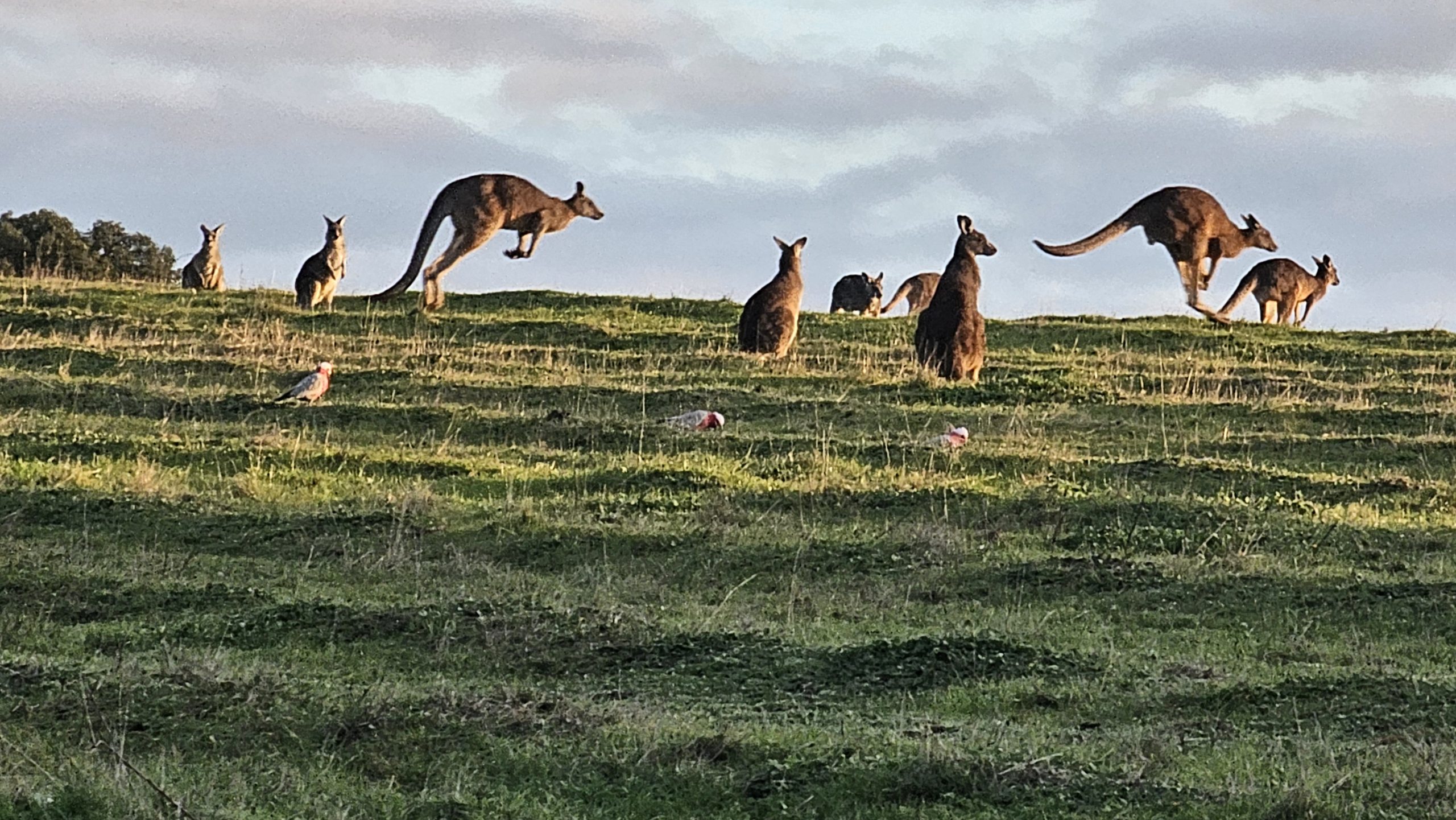
A ridge of granite, wind, old stories — and the burn that moved through it.
Mount Alexander doesn’t rush to impress you. It rises slowly out of the Harcourt Valley, a long granite spine that looks simple from a distance but unravels into detail the moment you step onto it. Boulders stacked like forgotten architecture. Wind threading through the gums. A silence that feels older than anything you could name.You drive up Joseph Young Drive and the air cools. The light shifts. The forest changes from the dry, scratchy bush of the lowlands into something softer, greener, more patient.
This is Dja Dja Wurrung Country, and the mountain carries that depth in the way it holds itself — steady, unhurried, self‑contained.

After the fire
In early 2026, a fire moved across parts of the mountain. Not a full sweep, but enough to leave a patchwork of blackened trunks and ash‑soft soil. The kind of burn that doesn’t scream disaster, but whispers change. Some slopes are charred, others untouched. The ridge feels like it’s between breaths — trees still falling long after the flames have gone, roots loosening, rocks shifting. Leanganook Campground survived, though it wears the signs: temporary toilets, scorched trunks, the faint smell of regrowth. And then there’s the contrast: pale granite glowing against darkened forest, new shoots pushing through ash with that stubborn, almost defiant green that only fire‑country plants know how to make.
Walking the ridge
The West Ridge Track is still the classic walk, though parts remain closed while the land rearranges itself. The open sections offer a strange beauty — burnt forest giving way to untouched green in a single step, like the fire changed its mind mid‑stride.
Dog Rocks stands out even more starkly now, the tors luminous against the darker slopes. Lang’s Lookout still opens out over Harcourt and the distant blue hum of the Macedon Ranges. The wind still does that thing where it feels like it’s trying to tell you something in a language you almost understand.
The Oak Forest


And then, just below the southern flank of the mountain, the landscape shifts again — not dramatically, but quietly, like a soft turn of the page. The Oak Forest sits there in its own pocket of light, a neat grid of English oaks planted in the early 1900s when people were still trying to coax Europe into central Victoria. The experiment didn’t quite take, but the forest stayed, and now it feels like a small, gentle secret tucked under the granite. Walking into it is like stepping sideways out of Australia. The light softens. The air changes. The ground rustles with a thick layer of leaves. The trunks rise straight and orderly, nothing like the twisting, stubborn eucalypts higher up the mountain. In autumn, the place turns the colour of old honey. In winter, the branches stand bare and black against the sky. In summer, the canopy becomes a green ceiling that feels almost protective.
It photographs well without trying — the kind of place where even a phone camera can’t quite ruin the mood. Families picnic here. Cyclists roll through.
Photographers crouch in the leaf litter chasing the way the light falls between branches. But the forest absorbs people easily. You can always find a quiet corner where it’s just you, the trees, and the soft shifting of leaves. After the fires, the Oak Forest feels even more like a refuge — untouched, steady, holding its own kind of calm while the ridge above it works through its recovery.
The mountain now
Mount Alexander is still itself — still the long granite spine, still the wind, still the views that stretch out over Harcourt and Castlemaine like a map you could fall into. But now it carries the burn as part of its story, not a wound but a chapter. A ridge of granite. A line of wind. A European forest tucked beneath it.
And a new green rising through the black.


